English
 русский
 Español
 عربى
عربى
What Should You Know About Brass Plumbing Fittings?
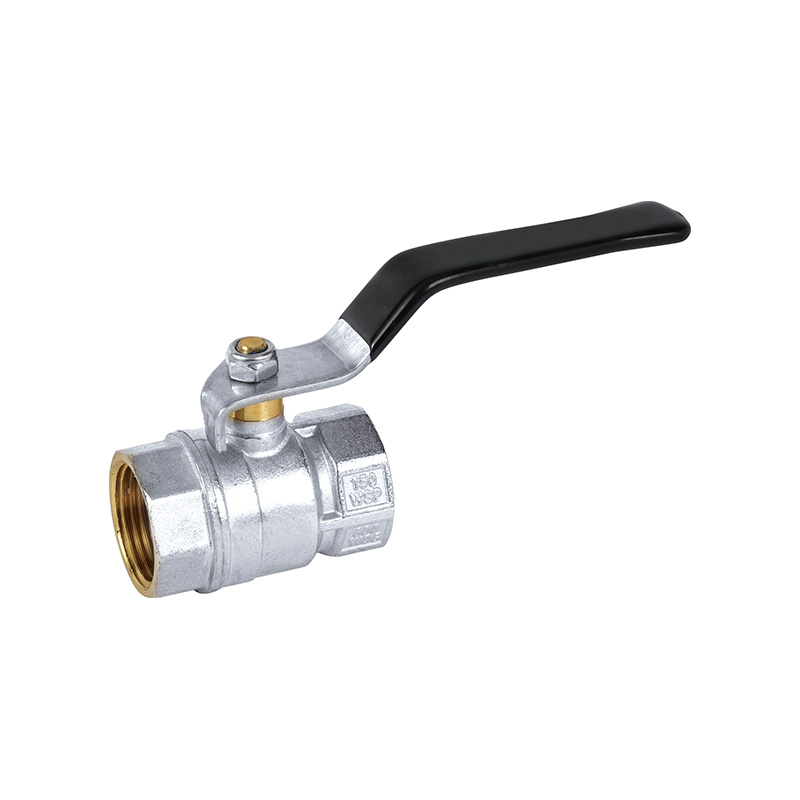
Brass plumbing fittings factory are widely used components in residential, commercial, and industrial plumbing systems. They connect pipes, valves, and other elements to ensure a secure and leak-free flow of water, gas, or other fluids. Brass, an alloy of copper and zinc, is chosen for its combination of strength, corrosion resistance, and machinability.
What Are Brass Plumbing Fittings and Their Functions?
Brass plumbing fittings are connectors, adapters, or fixtures used to join, extend, or redirect pipes in plumbing systems. They are available in a variety of shapes, including elbows, tees, couplings, unions, and reducers. These fittings allow for changes in direction, branching of pipes, and connection of pipes with different diameters or materials.
The primary function of brass fittings is to provide a secure, leak-resistant joint that can withstand water pressure and temperature variations. Brass's resistance to corrosion ensures that the fittings remain functional even in the presence of moisture and other environmental factors. Additionally, brass fittings are compatible with various plumbing materials, including copper, PEX, and CPVC pipes, making them versatile for different types of installations.
What Types of Brass Fittings Are Commonly Used?
Brass plumbing fittings are manufactured in several types to suit specific plumbing needs. Compression fittings are widely used to connect pipes without soldering, using a threaded nut and ring to create a seal. Threaded fittings, including male and female connectors, allow pipes to be screwed together for a secure connection.
Push-to-connect fittings, also known as push-fit fittings, are designed for easy installation without tools, making them practical for repair work or temporary connections. Specialty fittings, such as adapters, reducing bushings, and angle stops, provide solutions for unique piping configurations or system adjustments. Each type of fitting serves a distinct purpose, and selecting the appropriate type depends on the pipe material, connection method, and system requirements.
How Should Brass Fittings Be Installed?
Proper installation is essential to ensure the performance and longevity of brass plumbing fittings. For threaded fittings, it is important to use sealing tape or pipe sealant on the threads to prevent leaks. Care should be taken to avoid over-tightening, which can damage the threads or deform the fitting.
Compression fittings require accurate alignment of the pipe and fitting, with the compression ring properly seated before tightening the nut. Push-to-connect fittings rely on a simple insertion of the pipe into the fitting, ensuring that it is fully engaged and locked in place. Proper installation also involves checking for the correct pipe diameter, system pressure, and flow direction. Following manufacturer instructions and using appropriate tools helps maintain a secure and reliable connection.
How Should Brass Fittings Be Maintained?
Maintenance of brass plumbing fittings is relatively straightforward due to the material's durability. Regular inspection for signs of corrosion, leaks, or wear is recommended, particularly in older plumbing systems. Although brass is resistant to corrosion, prolonged exposure to hard water or chemical cleaners can cause surface oxidation, which may affect appearance but not necessarily function.
Cleaning can be done with mild soap and water or specialized brass cleaners to remove deposits and restore the fitting's appearance. If a fitting shows signs of significant wear, leaks, or thread damage, it should be replaced to maintain system integrity. Periodic maintenance ensures that brass fittings continue to provide reliable performance in both residential and commercial plumbing systems.
Conact Us Anytime.
-
Email us
kyoda@kyodavalve.com
-
Call us
+86-19105861791