English
 русский
 Español
 عربى
عربى
Manufacturing Processes of Plumbing Hydraulic Valves
These valves ensure safe and efficient operations, making their reliability essential. To achieve consistent performance, manufacturers follow a series of well-structured processes that transform raw materials into functional, durable components. Each production stage contributes to the valve’s strength, accuracy, and overall service life.
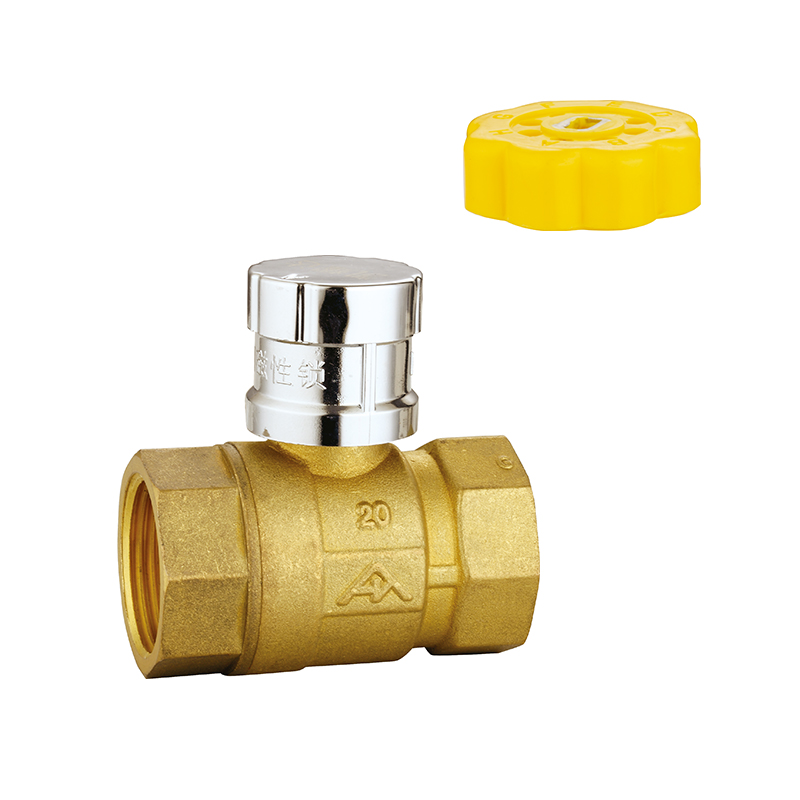
The major stage in producing plumbing hydraulic valves factory is material selection and preparation. Many valves are made from brass, stainless steel, cast iron, bronze, or specialized alloys. The chosen material depends on factors such as corrosion resistance, water pressure, fluid type, and expected operating conditions. For instance, brass is commonly used for household plumbing due to its good balance of durability and machinability, while stainless steel may be selected for industrial settings where exposure to chemicals or high pressures is expected. Once selected, the metal is inspected for impurities, chemical consistency, and uniformity. These checks help prevent defects later in the manufacturing chain.
After material selection, the next step is casting or forging, processes that shape the metal into rough valve bodies. Casting involves melting the metal and pouring it into molds shaped like the valve’s external form. Once the metal solidifies, the cast pieces are removed, cooled, and trimmed. Casting is suitable for complex shapes or larger valve designs. In contrast, forging uses compressive forces to reshape heated metal blocks into the desired form, improving the metal’s internal grain structure and enhancing strength. Forged valve bodies are frequently used when durability is a priority, such as in high-pressure plumbing systems. Both processes produce semi-finished bodies that will undergo further refinement.
Following casting or forging, the valve bodies enter the machining stage, one of the detailed parts of the production cycle. Computer Numerical Control (CNC) machines are widely used to achieve precise internal and external dimensions. During machining, technicians create threaded ends, internal chambers, fluid passages, and mounting surfaces. Operations such as drilling, milling, turning, and tapping ensure that each component fits properly with other parts and meets strict tolerances. The accuracy of machining directly influences leak prevention, pressure stability, and ease of operation, making it crucial for final valve performance.
Another important procedure in valve manufacturing is surface treatment. After machining, the valve body may have rough textures, sharp edges, or exposed metal surfaces vulnerable to corrosion. Various treatments are applied to enhance durability and appearance. Common treatments include polishing, sandblasting, electroplating, passivation, and powder coating. For valves used in potable water systems, coatings must comply with safety standards to avoid contamination. These surface finishing processes help increase corrosion resistance and ensure the smooth operation of moving components.
Once the valve body is ready, manufacturers proceed to assembly and integration of internal components. Plumbing hydraulic valves contain various elements such as seals, springs, discs, stems, seats, and O-rings. The exact components depend on the valve type—whether it is a ball valve, gate valve, check valve, or pressure-reducing valve. During assembly, workers or automated systems carefully position each part to ensure proper alignment and movement. Lubricants may be applied where necessary to reduce friction and improve the valve’s service life. Correct assembly is essential, as even minor misalignments can cause leaks or operational difficulties.
After assembly, valves undergo extensive testing and quality control. Manufacturers perform pressure tests, leak tests, endurance tests, and dimensional inspections to confirm that each valve meets design requirements. Hydrostatic testing is commonly used to verify the valve’s ability to withstand internal pressure without leaking. Functional tests also ensure that the valve opens and closes smoothly. Only valves that pass all quality checks proceed to packaging.
The final step in the process is cleaning, packaging, and labeling. Valves are cleaned to remove residual oils, metal shavings, or dust. Packaging materials are selected to protect the valves from damage during transportation. Labels may include product specifications, batch numbers, installation instructions, and safety warnings. Proper packaging helps maintain the valve’s integrity until it reaches the end user.
Conact Us Anytime.
-
Email us
kyoda@kyodavalve.com
-
Call us
+86-19105861791