English
 русский
 Español
 عربى
عربى
How Many Types of Brass Thermostatic Valves Are There?
Thermostatic Mixing Valve (TMV)
A thermostatic mixing valve (TMV) is designed to regulate the temperature of water by blending hot and cold water before it reaches the point of use, such as a tap, shower, or faucet. This type of valve is commonly used in domestic plumbing systems to ensure a safe and comfortable water temperature, particularly in situations where hot water could potentially cause scalding.
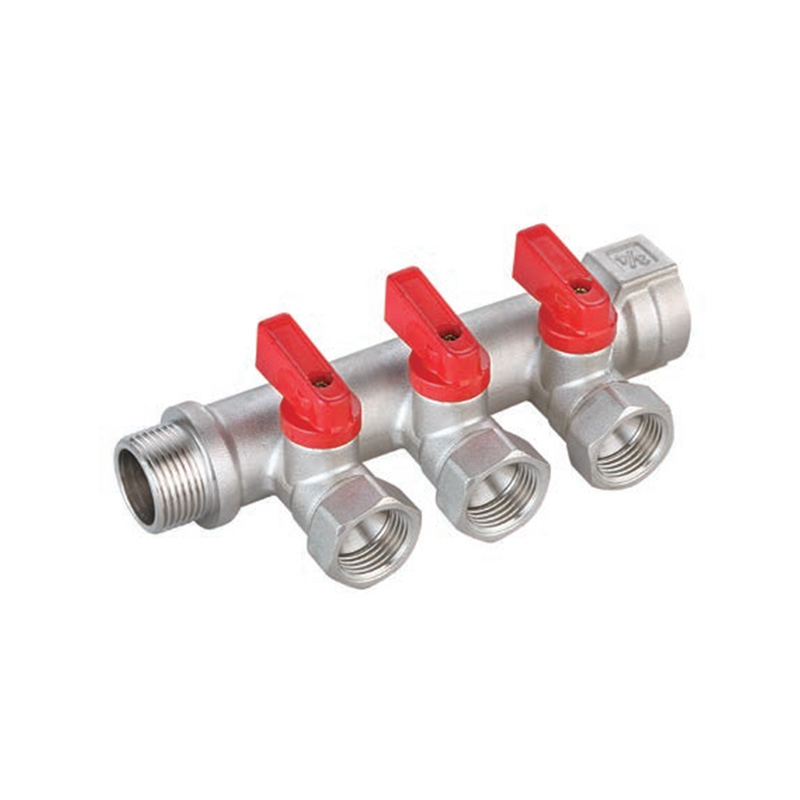
Function and Operation: The primary function of a TMV is to maintain a consistent temperature at the outlet, despite fluctuations in the supply temperature or water pressure. The valve works by mixing the incoming hot and cold water to a pre-set temperature, which can be adjusted manually. Inside the valve, a thermostatic element detects the temperature of the water, and if the water is too hot or too cold, it automatically adjusts the flow of hot or cold water to maintain the desired temperature.
Applications: The most common use for thermostatic mixing valves is in domestic water systems, particularly in bathrooms and kitchens. They are particularly valuable in preventing scalding in showers or baths. TMVs are also often used in healthcare settings, such as hospitals or nursing homes, where the temperature of water needs to be strictly controlled for safety reasons.
Advantages: TMVs provide a high level of safety by regulating water temperature and preventing burns, making them especially important in households with young children, the elderly, or vulnerable individuals. They are also efficient in maintaining a constant water temperature, providing comfort and energy savings.
Thermostatic Radiator Valve (TRV)
A thermostatic radiator valve (TRV) is used in heating systems to regulate the temperature of individual radiators. It works by sensing the room temperature and adjusting the flow of hot water into the radiator to achieve the desired room temperature. TRVs are particularly useful in systems where energy efficiency and comfort are priorities, as they enable users to control the heat in specific rooms without affecting the entire heating system.
Function and Operation: TRVs consist of a valve with a built-in thermostatic element that expands or contracts in response to temperature changes. When the room temperature rises above the set level, the valve restricts the flow of hot water into the radiator. Conversely, when the room temperature falls below the set level, the valve opens to allow more hot water to flow into the radiator. This ensures that the room remains at a consistent temperature.
Applications: TRVs are commonly found in central heating systems in homes, offices, and commercial buildings. They are installed on radiators to provide independent control of each radiator's temperature, allowing for zoning within a building. This is particularly useful in homes with multiple rooms, where different areas may require different temperatures.
Advantages: The main advantage of TRVs is their ability to provide individualized room temperature control, improving overall comfort while helping to save energy. By adjusting the temperature in rooms that are not in use or need less heating, energy consumption can be reduced. TRVs also contribute to creating a more comfortable living or working environment, as they allow users to set the temperature to their preference.
Thermostatic Expansion Valve (TEV)
The thermostatic expansion valve (TEV) is primarily used in refrigeration and air conditioning systems to regulate the flow of refrigerant into the evaporator coil. The TEV plays a crucial role in ensuring that the evaporator is supplied with the correct amount of refrigerant based on the system's operating conditions, ensuring efficient heat exchange and preventing the system from freezing or overheating.
Function and Operation: The TEV works by regulating the flow of refrigerant based on the pressure in the evaporator. It uses a sensing bulb that detects the temperature of the refrigerant as it exits the evaporator. If the temperature rises above a certain threshold, the valve opens wider to allow more refrigerant into the evaporator. If the temperature drops, the valve closes to restrict the flow of refrigerant. This adjustment ensures that the evaporator is neither overcharged nor undercharged with refrigerant.
Applications: TEVs are used in air conditioning systems, refrigeration units, and heat pumps. In these systems, the TEV helps optimize the cooling or heating process by controlling the refrigerant flow, ensuring that the system operates efficiently and prevents issues such as excessive pressure build-up or poor cooling performance.
Advantages: The primary advantage of the thermostatic expansion valve is its ability to maintain system efficiency by ensuring the proper flow of refrigerant. This not only improves the performance of the system but also helps prevent damage to components caused by improper refrigerant levels. TEVs also contribute to better energy efficiency, as they help maintain the conditions for the refrigeration cycle.
Conact Us Anytime.
-
Email us
kyoda@kyodavalve.com
-
Call us
+86-19105861791