English
 русский
 Español
 عربى
عربى
What Materials Are Typically Used for Pipeline Sanitary Fittings?
Pipeline sanitary fittings supplier are components used to connect, redirect, or regulate the flow of fluids in sanitary systems. These fittings are widely applied in food, beverage, pharmaceutical, and chemical industries, where hygiene, corrosion resistance, and ease of cleaning are essential. The material of a sanitary fitting plays a crucial role in its performance, longevity, and suitability for specific applications. Different materials offer varying advantages and limitations, making material selection an important consideration in system design.
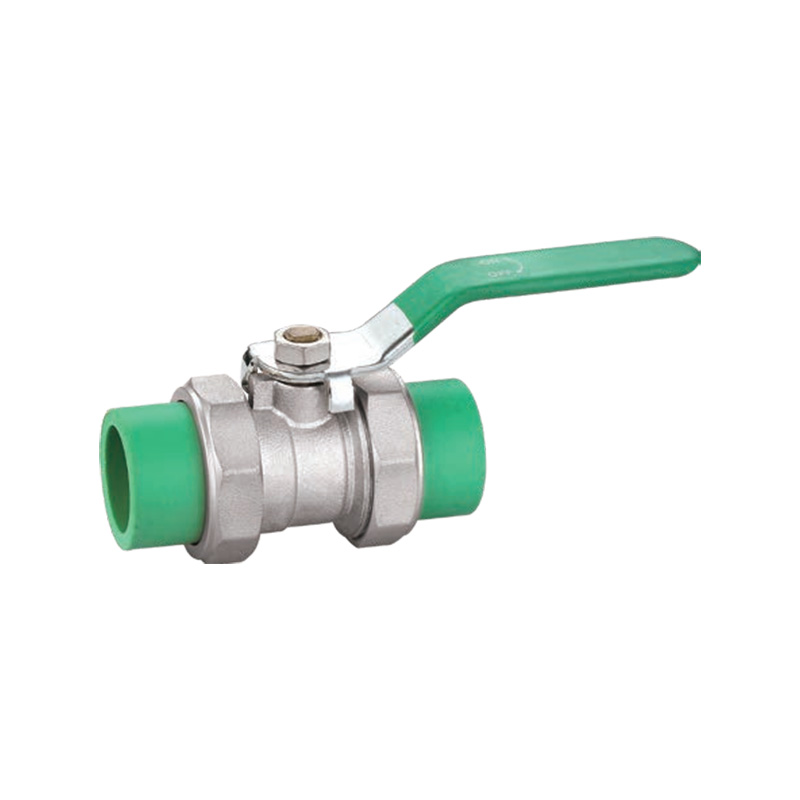
Stainless Steel
Stainless steel is one of the commonly used materials for pipeline sanitary fittings. It is favored for its corrosion resistance, durability, and ability to withstand high temperatures. Grades such as 304 and 316 stainless steel are widely used, with 316 offering resistance to chemical corrosion, particularly in acidic or chloride-rich environments.
Stainless steel fittings are smooth and non-porous, which reduces the risk of bacterial growth and simplifies cleaning. They are suitable for high-purity applications, including dairy, beverage, and pharmaceutical pipelines. Stainless steel also provides mechanical strength, ensuring the fittings can withstand pressure and repeated cleaning processes without deformation. While stainless steel fittings are relatively heavier and more expensive than some alternative materials, their combination of strength, hygiene, and corrosion resistance makes them suitable for demanding sanitary applications.
Plastic Materials
Plastic materials, such as polypropylene (PP), polyvinylidene fluoride (PVDF), and polyvinyl chloride (PVC), are also used for pipeline sanitary fittings. Plastics are lightweight, resistant to many chemicals, and cost-effective, making them practical for certain sanitary systems where mechanical stress is moderate.
Plastic fittings are easier to handle and install due to their light weight. They also provide good resistance to corrosion and chemical reactions, which is important when handling acidic or alkaline fluids. However, plastics generally have lower temperature and pressure tolerance compared to stainless steel, which limits their use in high-temperature or high-pressure systems. Some plastics can also degrade over time when exposed to UV light or certain solvents. Despite these limitations, plastic fittings are widely used for fluid transfer applications where weight, cost, and chemical compatibility are primary considerations.
Brass and Copper Alloys
Brass and copper alloys are occasionally used in pipeline sanitary fittings, especially for water and low-pressure fluid systems. Brass, an alloy of copper and zinc, provides good corrosion resistance, machinability, and moderate strength. Copper fittings are also valued for their natural antimicrobial properties, which help reduce bacterial growth in water systems.
These materials are suitable for applications where mechanical strength and moderate chemical resistance are sufficient. Brass fittings are often used in smaller pipelines, residential or light commercial systems, and areas where welding or threading is preferred for connection. However, brass and copper are generally less resistant to harsh chemicals and high temperatures compared to stainless steel. They also require regular inspection to prevent corrosion or dezincification in specific environments.
Differences Between Materials
The differences between materials used for sanitary fittings primarily relate to corrosion resistance, mechanical strength, chemical compatibility, temperature tolerance, and cost. Stainless steel provides the corrosion resistance, strength, and temperature tolerance, making it suitable for demanding sanitary applications. Plastic materials are lightweight, resistant to a variety of chemicals, and economical, but they have lower pressure and temperature limits. Brass and copper alloys offer moderate corrosion resistance and natural antimicrobial properties but are less suitable for highly acidic or high-temperature environments.
Material selection depends on the specific requirements of the pipeline system. High-purity or high-pressure applications benefit from stainless steel, while low-pressure or cost-sensitive systems may use plastic. Brass and copper are appropriate for domestic or low-demand systems where ease of installation and antimicrobial properties are beneficial. Understanding these differences allows engineers and operators to choose materials that provide the desired balance of performance, durability, and cost-effectiveness.
Conact Us Anytime.
-
Email us
kyoda@kyodavalve.com
-
Call us
+86-19105861791