English
 русский
 Español
 عربى
عربى
What Development Did Underfloor Heating Accessories Undergo?
Historical Background: The Origins of Underfloor Heating Accessories sale
The concept of underfloor heating can be traced back to ancient times, notably in the Roman Empire, where they utilized a hypocaust system to warm floors and walls. However, it wasn't until the 20th century that modern underfloor heating systems began to resemble those we use today. In the early years of its development, underfloor heating was a somewhat rudimentary system, relying on basic materials like stone or clay. Accessories at that time were limited, focusing mainly on mechanisms to distribute heat, like air ducts or ventilation shafts.
Early Underfloor Heating Systems: The original underfloor heating systems, used in Roman baths, were relatively simple in design. The floor was raised on pillars, and hot air from a furnace circulated underneath the floor. While this system was effective in generating heat, it lacked the refined components that modern systems rely on, such as thermostats, manifolds, or installation tools.
Early Accessories: Early accessories for underfloor heating systems were mainly related to heat distribution. The materials used in these early systems were not sophisticated, and accessories were limited to elements like chimney ducts or clay pipes used for transferring hot air. These systems were generally inefficient by today's standards and did not incorporate modern technologies that improve heat control and distribution.
Technological Advancements: The Evolution of Heating Components
The mid-20th century marked a significant shift in the development of underfloor heating systems and their accessories. During this time, advances in heating technology and material science brought about more reliable and efficient systems, including the use of water-based heating and electric floor systems. With these innovations, new accessories were introduced to enhance performance, improve user control, and simplify installation.
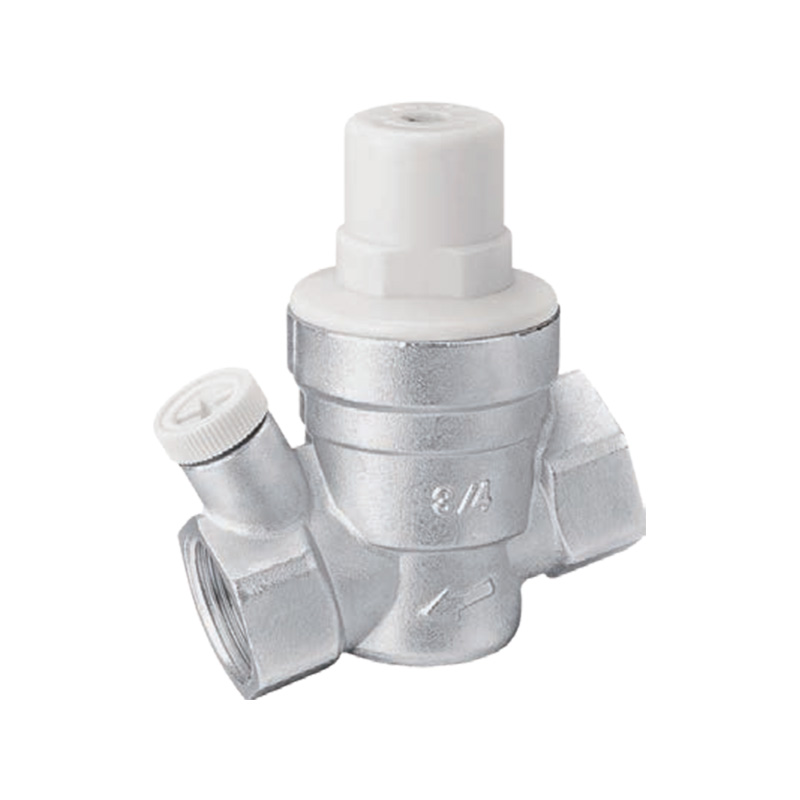
Water-Based Systems: The introduction of water-based underfloor heating systems, also known as wet systems, played a crucial role in shaping the development of accessories. These systems typically use a network of pipes installed within the floor, through which warm water circulates. Accessories such as manifolds (to distribute water), thermostats, pumps, and valves were developed to control the flow of water, maintain temperature regulation, and increase energy efficiency.
Electric Underfloor Heating: The rise of electric underfloor heating systems also brought about a wave of new accessories. These systems use electric cables or mats that heat up when connected to an electrical supply. New accessories like thermostats, heating cables, insulation boards, and heat regulators were introduced to improve installation and performance. The development of self-regulating cables, which could adjust their heat output based on the surrounding temperature, further enhanced the versatility of electric systems.
Installation Improvements: Simplifying the Process
As underfloor heating systems grew in popularity, one of the main challenges was ensuring that the installation process was as efficient and user-friendly as possible. To address this, manufacturers introduced various accessories to simplify the installation of both wet and electric systems.
Pre-Insulated Panels and Mats: One of the significant developments in the installation of underfloor heating systems was the introduction of pre-insulated panels and heating mats. These components made the installation process faster and more efficient, as they combined heating cables or pipes with an insulating material in a single product. This innovation also contributed to better heat retention, improving the overall efficiency of the system.
Improved Manifolds and Controls: Manifolds, which are central to water-based systems, also underwent significant development. Early models were cumbersome and difficult to install. Over time, however, more compact, user-friendly manifolds were introduced, allowing for more flexible installation and easier connection to multiple rooms or zones. Additionally, control systems were enhanced, with digital thermostats and zoning controls making it possible to regulate the temperature in different areas of the house, adding further convenience to the system.
Flexible Pipes and Cables: The introduction of flexible, durable piping and cables helped simplify the installation of underfloor heating systems. These materials allowed for easier bending and placement, reducing the time needed to install the system and improving the overall layout and efficiency of the heating network.
Energy Efficiency and Modern Advancements
As the demand for environmentally friendly and cost-effective heating systems increased, the development of energy-efficient accessories became a key focus. Modern underfloor heating systems are designed to use less energy while still providing consistent warmth. The accessories associated with these systems play a critical role in energy consumption.
Smart Thermostats and Zoning: One of the most important advances in recent years is the development of smart thermostats and zoning systems. These accessories enable homeowners to control the temperature of their underfloor heating systems remotely via mobile apps, ensuring that energy is not wasted in unoccupied rooms. Zoning allows different areas of a building to be heated independently, further improving energy efficiency and reducing heating costs.
Insulating Materials: Insulation is critical in reducing heat loss and improving energy efficiency. The development of high-performance insulating materials, such as reflective foils or rigid foam boards, has enabled underfloor heating systems to operate more efficiently by energy waste. These materials are now standard accessories used in most installations, ensuring that heat is directed upwards and not lost through the subfloor or walls.
Low-Temperature Systems: Modern advancements have also led to the development of low-temperature underfloor heating systems. These systems are designed to work with heat pumps or other low-energy heating methods, and the accessories used in these systems are specifically designed to complement their low-temperature operation. Components such as thermostats, pumps, and heat exchangers have been optimized for low-temperature systems, further contributing to energy savings and environmental sustainability.
Conact Us Anytime.
-
Email us
kyoda@kyodavalve.com
-
Call us
+86-19105861791