English
 русский
 Español
 عربى
عربى
What is the specific function of a brass valve on a boiler?
What is the specific function of a brass valve on a boiler, and what are the common types?
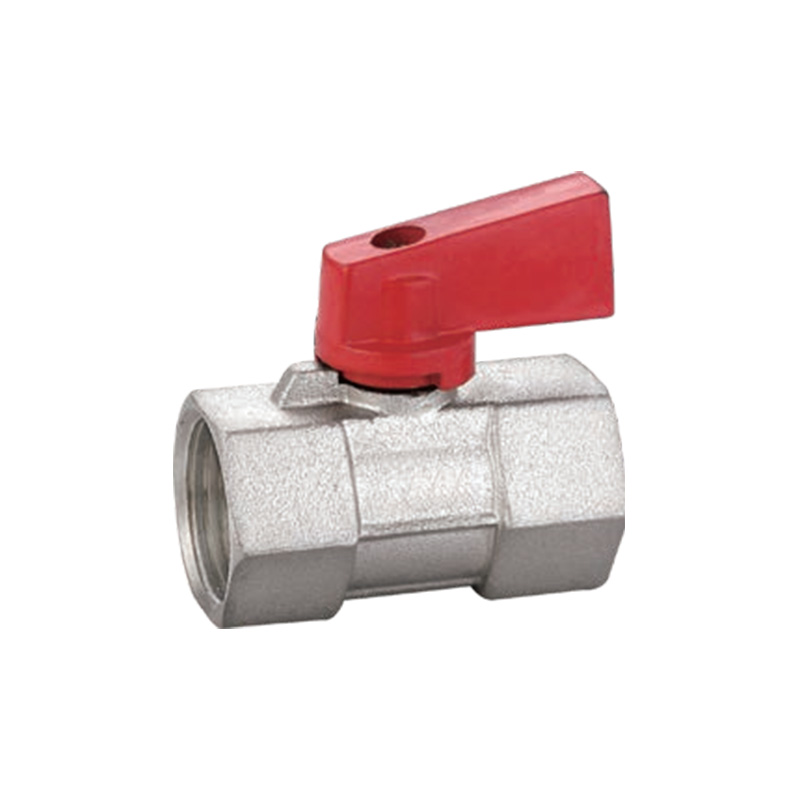
Brass valves on a boiler system perform distinct functions based on their design and location. They are not a single component but a category of fittings. The common types include:
Isolation Valves: Often ball valves or gate valves, these are installed on the supply and return piping connected to the boiler. Their function is to allow the flow of heated water to be completely shut off, enabling the boiler to be serviced or replaced without draining the entire heating system.
Drain Valves: Typically small hose bib or petcock valves, these are located at low points on the boiler or system piping. Their sole function is to provide a controlled outlet for draining water from the boiler for maintenance, repair, or system flushing.
Temperature and Pressure Relief Valve (T&P Valve): This is a critical safety device mandated by building codes. It is a specialized brass valve with a spring-loaded mechanism. Its function is to automatically open and discharge water if the internal boiler pressure or temperature exceeds a safe limit, preventing a potential hazard.
Make-up Water Valves: Often a small ball valve or a pressure-reducing valve, this controls the introduction of fresh water from the domestic supply into the heating system to maintain proper system pressure.
Why is brass the preferred material for these valves instead of other metals?
Brass is selected for boiler valves due to a combination of material properties that align with the operating environment. Its corrosion resistance is a primary factor. DZR brass alloys are formulated to resist dezincification, a form of corrosion where zinc leaches out of the alloy, which can occur in hot water systems. This ensures long-term integrity under continuous exposure to heated water.
Machinability and sealing are also important. Brass is easier to machine into complex shapes with precise threads and sealing surfaces than many other metals. This allows for the reliable manufacturing of valve seats and stems that can maintain a tight seal against water and steam pressure. Furthermore, brass has favorable thermal conductivity and expansion properties that are compatible with other common system materials like copper piping, reducing the risk of stress from thermal cycling. While stainless steel is also used, brass provides a balance of performance, manufacturability, and cost that is appropriate for residential and light commercial applications.
How should a boiler drain valve be properly operated, and what are common issues?
The drain valve is a maintenance component that requires correct procedure to operate effectively and avoid damage. To use it, a standard garden hose should be attached to its threaded outlet and routed to a drain. Before opening the valve, it is necessary to ensure the boiler is cool and the system pressure is relieved, often by shutting off the isolation valves and allowing the system to cool completely. The drain valve should then be opened slowly and deliberately; forcing it open can damage the valve seat or stem. It should be closed firmly but not over-tightened once draining is complete.
Common issues include mineral buildup and leakage. Scale from hard water can accumulate on the valve seat, preventing it from closing fully and causing a persistent drip. The rubber or polymer washer inside the valve can also degrade over time due to heat and mineral content, bring about leakage. In many cases, a leaking drain valve can be repaired by replacing this washer, though severely scaled or corroded valves may need complete replacement.
What maintenance does a boiler's Temperature and Pressure (T&P) Relief Valve require?
The T&P relief valve is a safety-critical device that requires periodic verification to ensure it will function if needed. Maintenance consists primarily of testing and inspection. Many manufacturers and safety codes recommend manually testing the valve at least once a year. This is done by lifting its test lever briefly, which should cause a burst of hot water to be discharged from the overflow pipe. This action confirms the valve's mechanism is not stuck or seized due to mineral deposits. After testing, the lever should snap back into place and the discharge should stop completely; any continued dripping indicates the valve seat may be fouled and the valve likely requires replacement. It is also important to visually inspect the valve and its discharge piping for signs of corrosion or blockage. A T&P valve that has discharged, even during a test, may not reseal and is often recommended for replacement every few years as a preventive measure. It should never be plugged or disabled.
Conact Us Anytime.
-
Email us
kyoda@kyodavalve.com
-
Call us
+86-19105861791