English
 русский
 Español
 عربى
عربى
Are Brass Check Valves Safe for Drinking Water Systems?
Are Brass Check Valves Safe for Drinking Water Systems?
One of the common public concerns relates to the suitability of brass check valves for potable water applications. Modern brass check valves used in drinking water systems are typically manufactured from low-lead or lead-free brass alloys. These materials are designed to meet regulatory requirements that limit lead content and reduce the risk of water contamination.
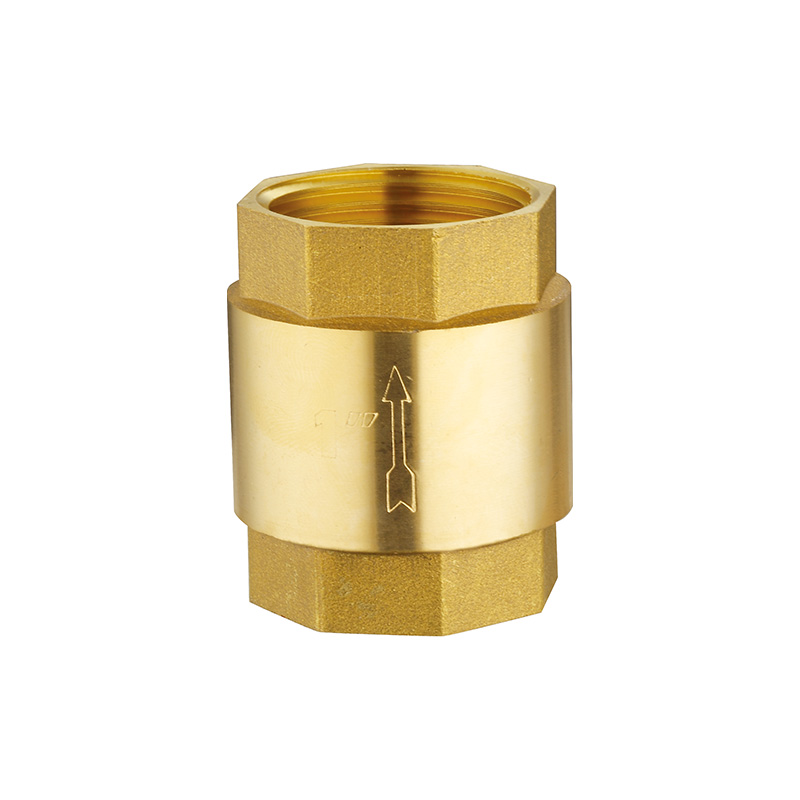
In many regions, valves intended for potable water must comply with standards such as NSF/ANSI 61 or equivalent national certifications. These standards evaluate material composition and leaching behavior under defined conditions. When properly certified and installed, brass check valves are considered suitable for residential and commercial drinking water systems.
However, safety also depends on proper selection and maintenance. Using uncertified products, mixing incompatible materials, or allowing excessive stagnation can affect water quality. For this reason, buyers are encouraged to verify certifications and follow manufacturer recommendations.
How Durable Are Brass Check Valves Compared to Other Materials?
Durability is another area of active discussion, especially when brass valves are compared with stainless steel or plastic alternatives.
Resistance to Corrosion:
Brass offers good resistance to corrosion in typical water and air systems. It performs well in environments with moderate temperature and pressure.
Mechanical Strength:
Brass check valves can withstand repeated opening and closing cycles without significant deformation, making them suitable for long-term use.
Limitations in Aggressive Media:
In systems with high chloride content, acidic fluids, or temperatures, brass may experience dezincification or surface wear over time.
Brass check valves are considered durable for general-purpose applications, but material selection should always match the operating conditions to avoid premature failure.
What Installation Issues Do Users Commonly Encounter?
Proper installation is essential for the correct function of brass check valves. Many performance issues reported by users can be traced back to installation errors rather than product defects.
Common issues include incorrect flow direction, insufficient straight pipe length, and debris left in the pipeline during installation. Brass check valves are directional components, and installing them backward will prevent proper operation. In addition, contaminants such as solder residue or pipe scale can interfere with the valve's internal mechanism.
Threaded connections must be tightened carefully to avoid damaging the brass body. Over-tightening can cause thread deformation or cracking, while under-tightening may bring about leaks. In systems subject to vibration, additional support may be required to reduce mechanical stress on the valve.
Clear installation guidelines and basic system cleaning practices can significantly reduce these problems.
How Do Regulations and Standards Affect Brass Check Valve Selection?
Regulatory compliance is a growing concern for both consumers and system designers. Standards influence not only material composition but also testing and labeling requirements.
Lead Content Regulations:
Many countries now limit allowable lead content in plumbing components, driving demand for lead-free brass valves.
Performance Standards:
Pressure rating, temperature limits, and backflow prevention performance are often defined by national or international standards.
Certification and Traceability:
Certified products typically include markings or documentation that confirm compliance, helping users verify suitability.
Understanding applicable regulations helps users select brass check valves that meet legal requirements and ensure long-term system reliability.
Brass check valves remain a widely used and trusted component in fluid control systems. Current public concerns focus on drinking water safety, durability, installation practices, and regulatory compliance. By choosing certified products, matching materials to operating conditions, and following proper installation procedures, users can address these concerns effectively and achieve reliable system performance.
Conact Us Anytime.
-
Email us
kyoda@kyodavalve.com
-
Call us
+86-19105861791