English
 русский
 Español
 عربى
عربى
Understanding 1/2-Inch Brass Check Valves and Limitations of 3/4-Inch Models
Brass check valves are commonly used components in plumbing, heating, and fluid systems. Their primary function is to allow fluid to flow in one direction while preventing backflow, which can protect pumps, pipes, and equipment. The 1/2-inch brass check valve is a widely applied size for residential and light commercial applications, while the 3/4-inch model is used for slightly larger systems.
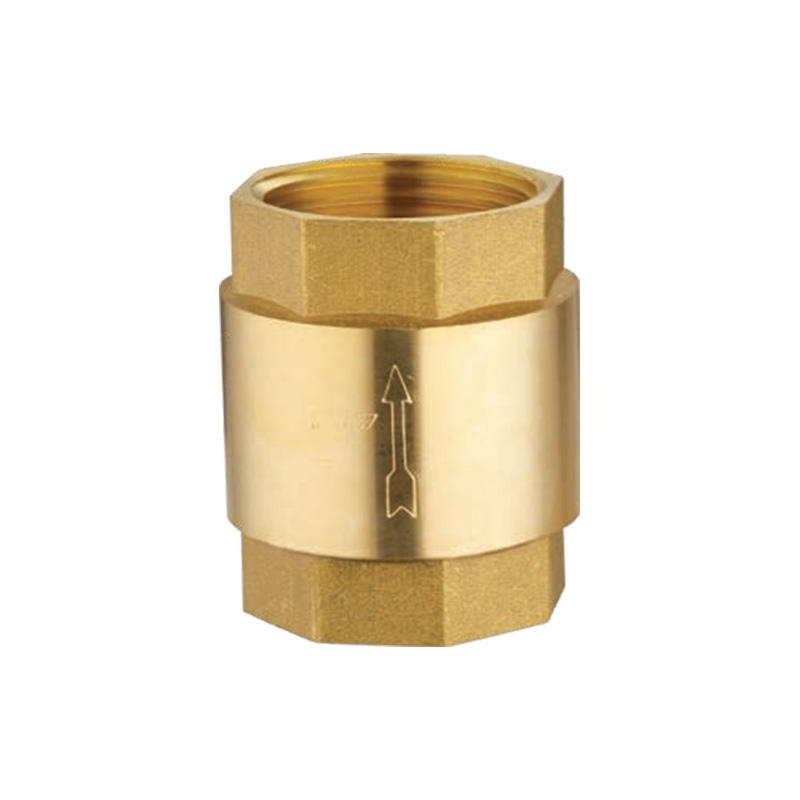
Structure and Function of 1/2-Inch Brass Check Valves
1/2-inch brass check valves are designed with simple components to ensure reliable one-way flow:
Valve Body: Made from brass, the body is durable, corrosion-resistant, and capable of withstanding moderate pressure.
Internal Mechanism: The valve typically includes a spring-loaded or swing-type disc that opens to allow flow in the intended direction and closes to prevent reverse flow.
Sealing Components: Seats and seals are often made from PTFE or rubber to ensure a tight shutoff and reduce leakage.
Connection Type: 1/2-inch valves usually have threaded or soldered ends for easy integration into standard piping systems.
The small size of the 1/2-inch valve makes it suitable for water, air, and low-viscosity fluid systems, where it provides simple and effective backflow prevention.
Manufacturing and Material Considerations
Material Selection: Brass is chosen for its balance of machinability, corrosion resistance, and mechanical strength.
Production Method: Bodies are commonly forged or cast, followed by machining to achieve precise threading, seat surfaces, and internal tolerances.
Assembly: Internal discs or springs are inserted, and the valve is tested for proper sealing and operation before shipment.
These production methods ensure that 1/2-inch brass check valves perform consistently under moderate pressures and typical fluid conditions.
Problems with 3/4-Inch Brass Check Valves
While 3/4-inch brass check valves are similar in design, they present certain limitations in practice:
Increased Wear: Larger internal components can experience greater stress and wear over time, particularly in systems with higher flow rates.
Leakage Risk: Improperly seated discs or wear on larger valve seats can increase the likelihood of minor leakage.
Pressure Limitations: Although larger than 1/2-inch valves, 3/4-inch brass check valves still have moderate pressure limits, making them unsuitable for high-pressure industrial applications.
Installation Sensitivity: The slightly larger size may require more careful alignment in piping to prevent strain or vibration, which can affect valve life.
Maintenance Considerations: Internal components are larger and heavier, making inspection and replacement slightly more challenging compared to smaller 1/2-inch valves.
These factors highlight the importance of selecting the correct valve size and maintaining proper system conditions to ensure consistent performance.
Applications and Suitability
1/2-inch brass check valves are appropriate for:
Residential water systems, including pumps and pressure tanks.
Small-scale HVAC or heating circuits.
Low-viscosity fluid systems where backflow prevention is required.
3/4-inch valves are used in similar applications with slightly higher flow requirements but require careful attention to installation and maintenance to avoid common issues.
1/2-inch brass check valves offer a compact, reliable solution for preventing backflow in moderate-pressure plumbing and fluid systems. Manufactured from brass using casting or forging methods, these valves provide durability and consistent performance. In contrast, 3/4-inch brass check valves, while suitable for slightly larger flows, can face problems such as increased wear, leakage, pressure limitations, and maintenance challenges. Understanding the characteristics and limitations of these valve sizes allows engineers, installers, and maintenance personnel to make informed decisions for system reliability and longevity.
Conact Us Anytime.
-
Email us
kyoda@kyodavalve.com
-
Call us
+86-19105861791