English
 русский
 Español
 عربى
عربى
Features and Advantages of Brass Pressure Reducing Valves
1. Material Durability and Corrosion Resistance
One of the main advantages of brass pressure reducing valves is the material itself. Brass, an alloy of copper and zinc, is known for its good corrosion resistance and strength. This makes it an ideal choice for pressure-regulating applications in various industries, including water supply, HVAC systems, and industrial process control.
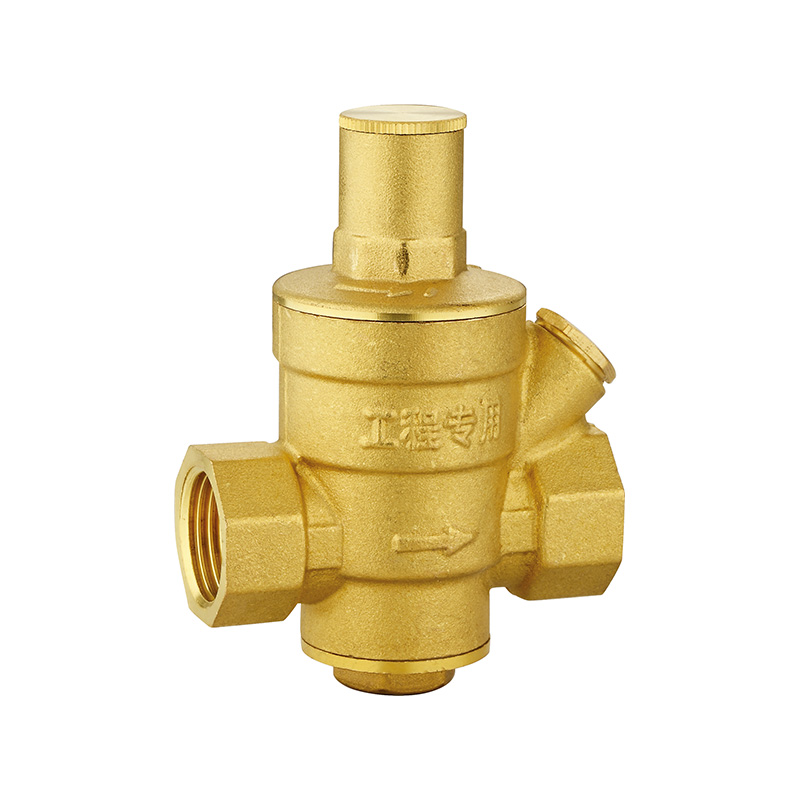
Corrosion Resistance: Brass is highly resistant to corrosion, especially in environments where exposure to water or chemicals is a concern. This is particularly beneficial for pressure reducing valves used in plumbing systems or outdoor installations. Brass valves are less likely to degrade over time, even in harsh conditions, making them a long-lasting solution.
Strength and Rigidity: Brass is a strong material that can withstand high-pressure conditions without deforming. This makes brass pressure reducing valves highly reliable in maintaining consistent pressure regulation, even under operating conditions.
Maintenance-Free Operation: The corrosion-resistant properties of brass reduce the frequency of maintenance and the likelihood of leaks or valve failures, ensuring a longer operational lifespan for the entire system.
Thanks to the robust properties of brass, these valves provide reliability and longevity, which reduces the cost of replacements and maintenance over time.
2. Precision Pressure Control
Brass pressure reducing valves are designed to regulate pressure with high precision, ensuring that systems operate within the required pressure ranges for performance and safety.
Accurate Pressure Adjustment: These valves are equipped with adjustable mechanisms that allow operators to fine-tune the output pressure. The precision control is achieved through spring-loaded diaphragms, which sense changes in pressure and adjust the valve accordingly to maintain a constant downstream pressure.
Minimized Pressure Fluctuations: Brass PRVs are good at preventing sudden fluctuations in pressure, which can bring about system inefficiency or even damage. By ensuring steady pressure control, they help maintain the functioning of downstream equipment, such as pumps, pipes, and appliances.
Adaptable to Various Systems: Brass pressure reducing valves can be designed for a wide range of applications, from household water supply systems to industrial fluid processes. The precise control offered by these valves makes them suitable for systems that require a stable and constant pressure to operate efficiently.
By ensuring accurate and consistent pressure regulation, brass pressure reducing valves contribute to the overall safety and efficiency of fluid systems.
3. Long Lifespan and Reliability
Due to the inherent properties of brass, these valves are known for their longevity and reliability. This makes them a preferred choice for both residential and industrial applications where durability is essential.
Wear and Tear Resistance: The robust construction of brass valves, combined with their resistance to corrosion, ensures they can handle prolonged use without significant wear or degradation. This is particularly important in systems that require continuous operation, such as water distribution networks or air conditioning units.
Minimal Risk of Failure: Unlike valves made from less durable materials, brass pressure reducing valves are less prone to failure due to wear, corrosion, or conditions. This reduces the need for frequent replacements and minimizes the risk of system malfunctions, which could result in costly downtime or repairs.
Cost-Effective: The long lifespan of brass pressure reducing valves translates into a lower total cost of ownership. Although they may have a higher initial cost compared to valves made from other materials, the long-term savings on maintenance and replacement make brass valves a cost-effective investment.
Their ability to perform reliably over extended periods with minimal maintenance makes brass pressure reducing valves an ideal choice for systems where reliability and durability are paramount.
4. Versatile Applications in Various Industries
Brass pressure reducing valves are highly versatile and can be used in a variety of applications across different industries. Their durability, precision, and adaptability make them suitable for a wide range of systems, from residential plumbing to industrial applications.
Residential Plumbing Systems: In domestic water supply systems, brass pressure reducing valves help regulate water pressure to prevent damage to pipes, appliances, and fixtures. These valves are particularly important in areas with high water pressure, where unregulated pressure can cause leaks, burst pipes, or appliance malfunctions.
HVAC Systems: In heating, ventilation, and air conditioning (HVAC) systems, brass PRVs are used to control the pressure of steam or water in heating circuits. Proper pressure regulation helps ensure the efficiency of the system and prevents damage to sensitive components.
Industrial Applications: In industries such as manufacturing, food processing, and chemical production, brass pressure reducing valves are used to control the pressure of gases and liquids in various process systems. These valves ensure that the pressure levels are within the desired range for safe and efficient operation.
Conact Us Anytime.
-
Email us
kyoda@kyodavalve.com
-
Call us
+86-19105861791