English
 русский
 Español
 عربى
عربى
What Are the Shortcomings of Brass Strainer Valves?
Brass strainer valves are commonly installed in plumbing, HVAC, and light industrial systems to remove debris from fluids and protect downstream equipment. While they offer practical benefits, they also have several limitations that should be considered during system design and selection.
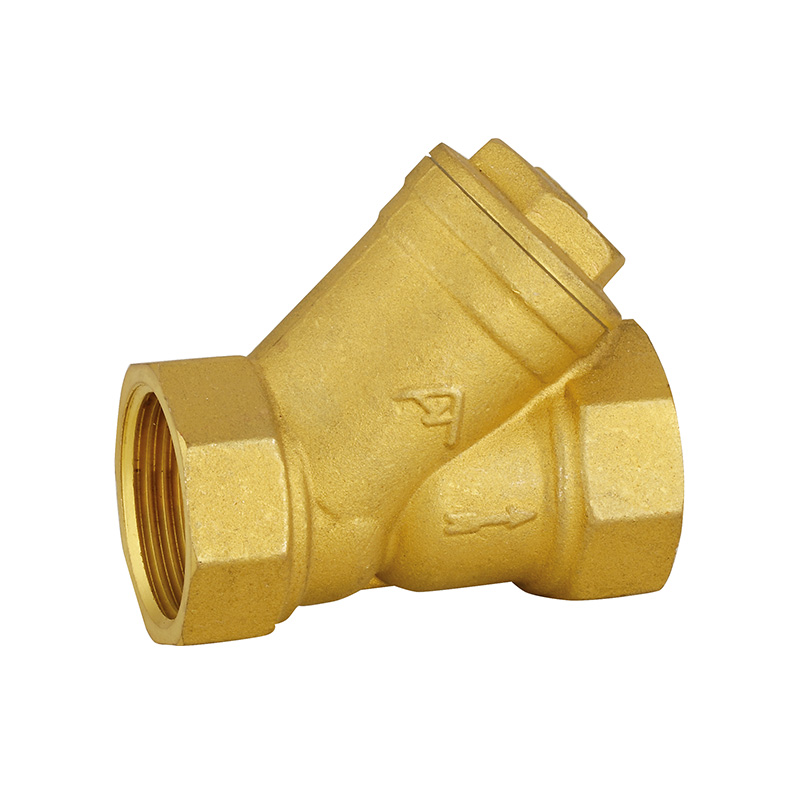
One notable shortcoming is limited filtration precision. Brass strainer valves typically use mesh screens that are suitable for capturing relatively large particles such as rust, sand, or scale, but they are not designed for fine filtration. Systems requiring high-purity fluids often need additional filtration stages, which increases overall system complexity.
As fluid passes through the strainer mesh, resistance is introduced. Over time, as debris accumulates, the pressure drop can increase significantly, potentially affecting system efficiency or pump performance if regular maintenance is not performed.
Material constraints also exist. Although brass offers good corrosion resistance in many water and air applications, it may be less suitable for highly corrosive or chemically aggressive media. Prolonged exposure to certain chemicals or high chloride content can accelerate material degradation or bring about dezincification.
Maintenance requirements represent an additional drawback. Brass strainer valves require periodic cleaning or screen replacement. In systems with high contaminant levels, frequent shutdowns may be necessary, increasing operating costs and downtime if accessibility is limited.
Brass Strainer Valves: How to Understand Them Correctly?
A clear understanding of brass strainer valves helps users apply them effectively and avoid unrealistic expectations. The following points provide a structured way to view their function and role:
Primary Protective Function
Brass strainer valves are designed to protect downstream components such as pumps, control valves, and meters by removing solid debris from the fluid stream.
Not a Precision Filter
These valves are intended for coarse filtration. They should not be confused with cartridge or membrane filters used for fine particle removal.
Flow Direction Matters
Correct installation according to the indicated flow direction ensures that debris collects in the strainer chamber rather than passing through the system.
Maintenance Is Part of Operation
Regular inspection and cleaning are essential. The effectiveness of the strainer decreases as the mesh becomes clogged.
Operating Conditions Define Suitability
Pressure, temperature, and fluid type must fall within the manufacturer's specifications to ensure reliable performance.
System Integration Is Important
Strainers should be placed where they are accessible for maintenance and where pressure loss will not disrupt system balance.
Understanding brass strainer valves in this practical and system-oriented way allows users to apply them where they are effective.
Typical Applications and Use Scenarios
Brass strainer valves are widely used in residential and commercial plumbing systems to protect fixtures and appliances. In domestic water lines, they help prevent debris from entering faucets, water heaters, and washing machines, reducing wear and extending service life.
In HVAC systems, brass strainer valves are often installed ahead of control valves and pumps to prevent damage from pipe scale and construction debris. Their moderate temperature and pressure ratings make them suitable for hot and chilled water circuits commonly found in buildings.
Light industrial applications also rely on brass strainer valves for compressed air systems and non-aggressive process fluids. In these settings, they serve as a line of defense rather than a comprehensive filtration solution. Their compact size and relatively low cost make them practical for protecting equipment without adding significant complexity.
Installation and Maintenance Considerations
Proper installation and maintenance significantly influence the performance of brass strainer valves. Installation should allow sufficient clearance for removing the strainer cap or screen. Placing the valve in a cramped or inaccessible location can make routine cleaning difficult and discourage proper maintenance.
Threaded connections must be sealed correctly to prevent leaks without overstressing the brass body. Over-tightening can cause thread damage, while under-tightening may result in seepage under pressure. In some systems, isolation valves are installed upstream and downstream to allow cleaning without draining the entire line.
Maintenance schedules should be based on system conditions rather than fixed intervals. Systems with higher debris levels require more frequent inspection. Cleaning typically involves removing the strainer screen and rinsing or brushing off accumulated particles. Replacing damaged or deformed screens helps maintain consistent flow and pressure characteristics.
Conact Us Anytime.
-
Email us
kyoda@kyodavalve.com
-
Call us
+86-19105861791