English
 русский
 Español
 عربى
عربى
Differences Between Brass Garden Valves and Others
1. Material Durability and Corrosion Resistance
One of the significant advantages of brass garden valves is the material's durability and resistance to corrosion. Brass, a metal alloy of copper and zinc, is highly resistant to rust and corrosion, even when exposed to moisture and chemicals often found in garden irrigation systems.
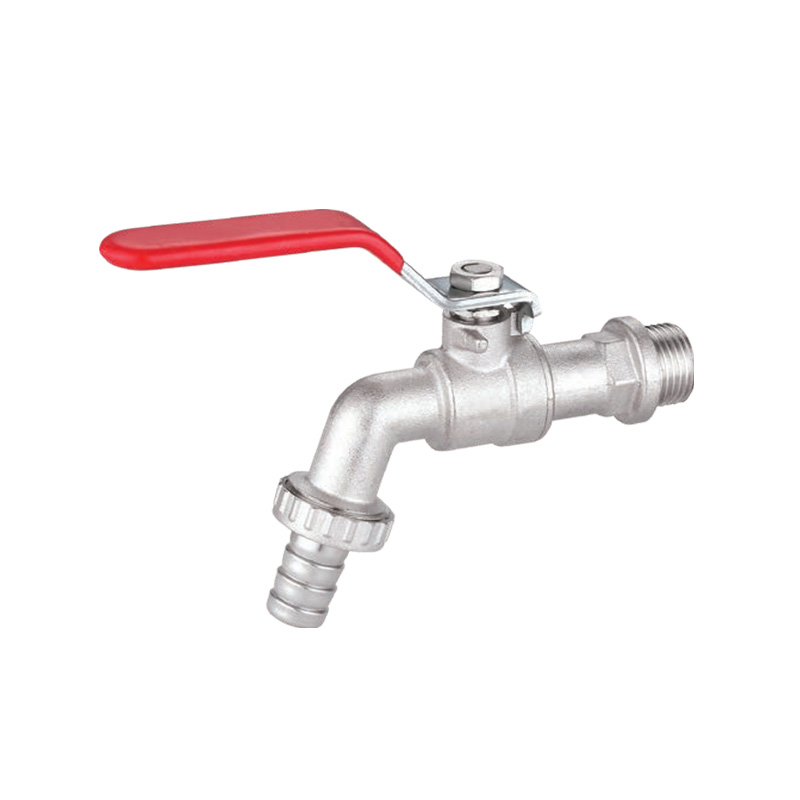
Brass vs. Plastic: While plastic valves are commonly used in gardening, they are less durable and can crack or degrade under exposure to UV rays, temperature fluctuations, or pressure. Brass valves, on the other hand, offer longevity, even in harsh outdoor conditions.
Brass vs. Steel: Steel valves are stronger than plastic, but they are more susceptible to rusting when exposed to moisture. Brass's corrosion-resistant properties ensure a longer lifespan compared to steel valves, which require additional protective coatings to prevent rusting.
Brass's resilience against the elements makes it a more dependable choice for garden valve applications.
2. Strength and Pressure Handling
Brass garden valves are known for their strength and ability to withstand higher pressures compared to plastic valves.
Pressure Resistance: Brass valves are capable of handling higher water pressures without cracking or losing their shape. This makes them ideal for systems that require higher flow rates, such as agricultural irrigation or high-pressure sprinklers.
Brass vs. Plastic: Plastic valves are prone to failure under high pressure or temperature s, making brass a more reliable option for garden systems requiring consistent pressure control.
Brass valves' strength ensures that they remain intact and functional even under challenging conditions.
3. Longevity and Maintenance
Another key difference is the lifespan and maintenance requirements of brass garden valves compared to their plastic or steel counterparts.
Brass's Longevity: Brass is known for its ability to withstand years of exposure to outdoor elements without significant degradation. Over time, plastic valves may crack, fade, or warp, while steel valves can corrode, resulting in leaks and system inefficiencies. Brass valves typically require less maintenance, long-term savings on replacements and repairs.
Maintenance: Brass valves often require minimal maintenance to remain in good working condition, whereas plastic valves may need more frequent replacements due to their susceptibility to wear and damage from environmental factors.
The durability and low maintenance of brass valves make them a cost-effective choice for garden irrigation systems.
Brass Garden Valves: Key Features and Advantages
Brass garden valves are a popular choice for both residential and commercial irrigation systems due to their numerous benefits. Let's delve deeper into the specific features that make these valves so advantageous.
Corrosion Resistance and Weather Durability
Protection Against Corrosion: Brass garden valves are highly resistant to corrosion, a critical feature for outdoor systems that are exposed to water, soil, and varying weather conditions. This resistance helps prevent the development of leaks and ensures the valve maintains its integrity even in humid or wet conditions.
UV Resistance: Brass does not degrade when exposed to sunlight, unlike plastic valves, which can become brittle and crack over time. This UV resistance ensures that brass garden valves maintain their strength and functionality for many years.
Strength and Dependability
Higher Pressure Tolerance: Brass valves are capable of handling higher water pressures without failure, which makes them ideal for applications that involve high-pressure irrigation systems. The sturdy construction allows these valves to endure intense pressure from the water flow without cracking, warping, or leaking.
Durable Construction: The solid construction of brass ensures the valve remains functional and reliable over time. Unlike plastic or cheaper metals, brass valves do not weaken with age, providing longevity in both residential and commercial gardening applications.
Ease of Installation and Use
User-Friendly Design: Brass garden valves are generally easy to install and operate. The material's sturdy nature allows them to maintain secure connections without the risk of threading or cracking, which can sometimes happen with plastic valves.
Smooth Operation: The smooth operation of brass valves, which include a variety of control types such as ball valves, gate valves, or globe valves, allows for precise control over water flow. This makes it easy to regulate the amount of water being supplied to different areas of the garden or irrigation system.
Maintenance and Long-Term Performance of Brass Garden Valves
Brass garden valves offer several advantages when it comes to maintenance and long-term performance, ensuring that they remain an good choice for any irrigation system.
Low Maintenance Requirements
Durable and Low-Maintenance: Unlike plastic valves that are prone to cracking or becoming brittle, brass valves have a robust design that minimizes the need for frequent maintenance. They are highly resistant to wear and tear, reducing the need for replacements over time.
Less Risk of Leakage: Since brass does not degrade or weaken as quickly as plastic or other materials, the risk of leakage is minimized, further reducing the need for regular inspections or repairs.
Long-Term Cost-Effectiveness
Fewer Replacements: Brass valves typically last much longer than their plastic counterparts, saving money on frequent replacements. Over time, this durability bring about cost savings in maintenance and repairs, making brass garden valves an good investment.
Environmental Benefits: Brass is also a recyclable material, which means that when the valve finally reaches the end of its lifespan, it can be recycled without harming the environment. This makes brass garden valves not only durable but also an eco-friendly option.
Conact Us Anytime.
-
Email us
kyoda@kyodavalve.com
-
Call us
+86-19105861791