English
 русский
 Español
 عربى
عربى
What is a brass check valve and how does it work?
A brass check valve is a type of one-way valve that allows fluid to pass in a single direction while preventing flow in the opposite direction. The valve contains an internal mechanism, such as a spring-loaded disc, swing plate, or ball, which closes when fluid attempts to reverse. Key points include:
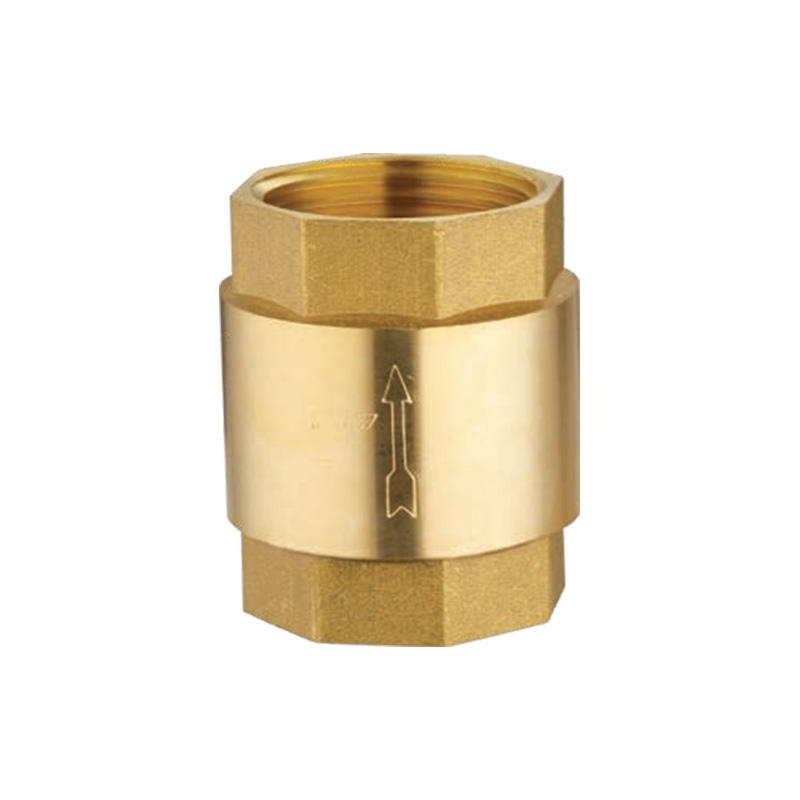
Flow Direction Control: The valve only opens when the fluid flows in the intended direction.
Backflow Prevention: Stops water, gas, or other fluids from flowing back into pumps, tanks, or supply lines.
Automatic Operation: Operates without manual intervention or external control.
Understanding the basic principle of operation helps users select the right type for their system and ensures proper installation.
What are the main types of brass check valves?
Brass check valves are available in several configurations to suit different piping systems and flow conditions. Common types include:
Swing Check Valves
Feature a hinged disc that swings open when fluid flows forward and closes to block reverse flow.
Spring Check Valves
Use a spring-loaded disc or ball to provide faster closure, suitable for applications with variable flow.
Ball Check Valves
Contain a ball that moves to allow flow in one direction and blocks reverse flow.
Wafer or Lift Check Valves
Designed for compact installation between flanges or in pipelines with limited space.
Bullet points for specific selection criteria:
Consider system pressure and flow rate to choose an appropriate type.
Ensure the valve’s size matches the pipeline diameter.
Check whether the installation orientation is horizontal or vertical.
Review the fluid type to confirm compatibility with brass materials.
These types allow users to select a valve that matches both operational and environmental requirements.
What maintenance practices are recommended for brass check valves?
Proper maintenance ensures reliable operation and extends the valve’s service life. Recommended practices include:
Regular Inspection
Check for signs of wear, corrosion, or leakage at the valve body or connection points.
Cleaning
Remove debris, scale, or sediment that may prevent the valve from sealing properly.
Lubrication (if applicable)
Some types, particularly spring check valves, may require light lubrication for smooth operation.
System Checks
Monitor flow and pressure periodically to ensure the valve is functioning correctly.
Bullet points for additional tips:
Replace worn or damaged internal components promptly to avoid backflow.
Ensure installation alignment is correct to prevent undue stress on the valve.
Avoid exposing the valve to fluids with high particulate content unless a filter is installed upstream.
These practices prevent common problems such as valve sticking, leakage, or improper closure.
What common issues might occur with brass check valves?
Users often encounter operational challenges with check valves, particularly in systems with variable flow. Common concerns include:
Leakage: Often caused by worn seats, debris, or improper installation.
Noise or Water Hammer: Rapid closure of the valve may produce pressure spikes in piping.
Valve Sticking: Can occur when sediment accumulates or the internal mechanism is corroded.
Flow Restriction: Misalignment or partial obstruction may reduce system efficiency.
Regular inspection, preventive maintenance, and proper installation reduce these issues and maintain stable operation.
Brass check valves provide a practical solution for preventing backflow and protecting fluid systems in residential, commercial, and industrial applications. Understanding their operation, common types, maintenance practices, and potential issues allows users to select and use these valves effectively. Following proper installation and maintenance procedures ensures reliable performance, system protection, and long-term functionality.
Conact Us Anytime.
-
Email us
kyoda@kyodavalve.com
-
Call us
+86-19105861791