English
 русский
 Español
 عربى
عربى
Brass Ball Valves: Types and Components
Brass ball valves are available in multiple designs to suit different installation requirements and operational conditions. Common types include:
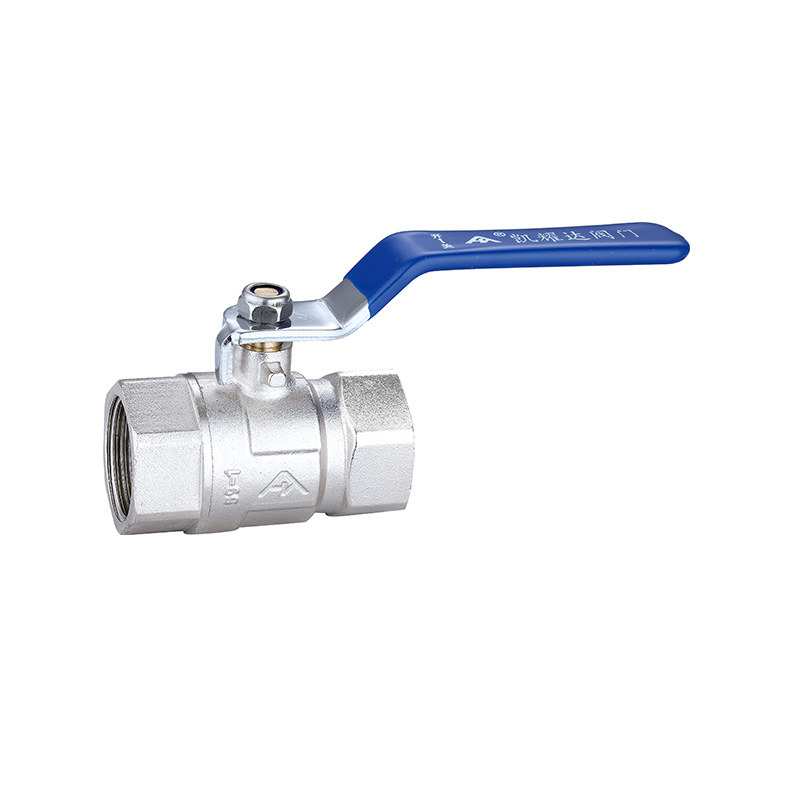
Two-Way Ball Valves
Have one inlet and one outlet, suitable for simple on/off flow control in pipelines.
Three-Way Ball Valves
Feature three ports to divert or mix flow between different channels.
Full Port Ball Valves
Provide a passage equal to the pipe diameter, reducing pressure drop and maintaining high flow.
Reduced Port Ball Valves
Have a smaller passage than the pipe diameter, often used in applications requiring moderate flow restriction.
Threaded Ball Valves
Designed with internal or external threads for easy connection to threaded pipelines.
Flanged Ball Valves
Feature flanges for secure bolted connections in larger or industrial systems.
Lockable Ball Valves
Include a mechanism to lock the handle, preventing unauthorized operation.
These types allow selection based on flow control requirements, pipe size, and installation preferences.
Applications of Brass Ball Valves
Brass ball valves are versatile and can be used in various systems where reliable flow control is needed. Common applications include:
Residential Plumbing Systems
Used to control water supply in bathrooms, kitchens, and irrigation systems.
Industrial Fluid Systems
Installed in pipelines for oils, chemicals, or compressed air in manufacturing plants.
Heating and Cooling Systems
Regulate water flow in radiators, air conditioning units, or heating circuits.
Water Treatment Plants
Manage flow in filtration systems and water distribution networks.
Gas Supply Systems
Control natural gas or LPG supply for safety and operational purposes.
Fire Protection Systems
Used in sprinkler lines or hydrant connections to ensure proper water flow during emergencies.
Marine and Automotive Systems
Installed in cooling, fuel, or hydraulic circuits where durable valves are needed.
These applications demonstrate the versatility of brass ball valves in managing liquids and gases across different industries and residential setups.
Components of Brass Ball Valves
Brass ball valves are composed of several key parts, each contributing to proper operation.
Body
The main structure that houses the internal components.
Ball
A spherical component with a hole that controls flow when rotated.
Seats
Rings that provide a seal between the ball and the body to prevent leaks.
Stem
Connects the handle to the ball and transfers rotation.
Handle
Used to rotate the ball, opening or closing the valve.
Packing
Material around the stem to prevent leakage at the handle connection.
End Connections
Threaded or flanged parts for connecting to pipelines.
Locking Mechanism (optional)
Allows the handle to be locked in a fixed position for safety.
Bonnet
Covers the stem and protects internal components from external damage.
Seals and O-rings
Provide additional leak prevention between components.
These components work together to ensure the valve operates reliably, allowing controlled fluid flow and maintaining system integrity.
Brass ball valves provide a practical solution for controlling liquids and gases in residential, commercial, and industrial systems. Understanding their types, applications, and structural components helps in selecting the right valve and maintaining safe, efficient operation.
Conact Us Anytime.
-
Email us
kyoda@kyodavalve.com
-
Call us
+86-19105861791