English
 русский
 Español
 عربى
عربى
Why Use Brass Plumbing Fittings?
Composed primarily of copper and zinc, brass offers a balance of strength, corrosion resistance, and machinability that makes it suitable for a variety of plumbing applications. Unlike plastic or steel fittings, brass combines durability with workability, allowing for precise installation and long-term reliability.
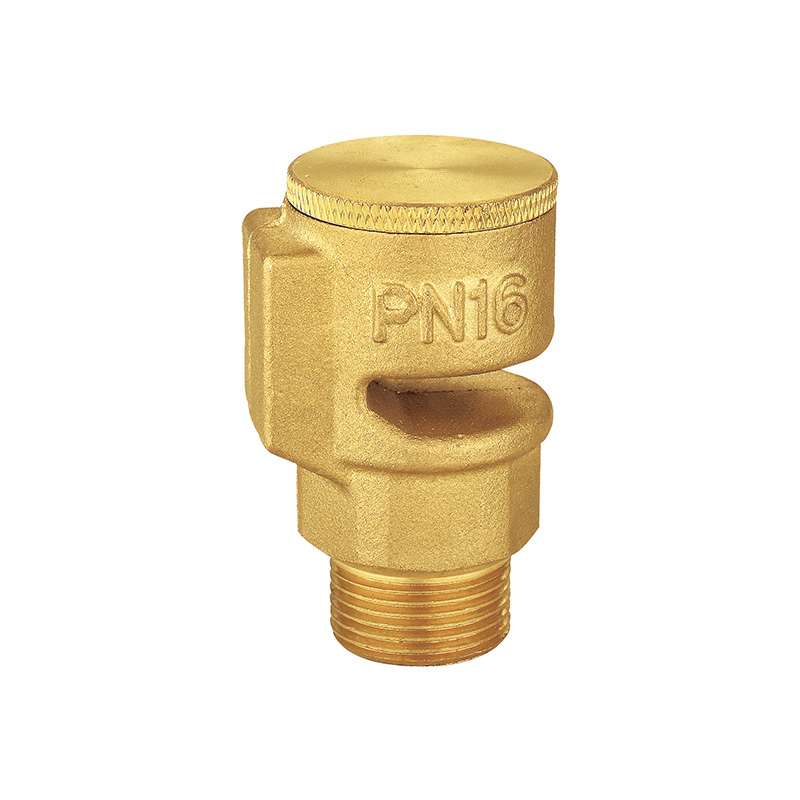
1. Performance Characteristics
One of the primary reasons for using Brass Plumbing Fittings Factory is their material properties that support reliable water flow and system integrity.
Corrosion resistance: Brass is resistant to rust and corrosion, even when exposed to water with varying levels of acidity or minerals. This makes it particularly suitable for household plumbing systems, where water quality can fluctuate. For example, in areas with high mineral content, steel fittings may corrode quickly, leaks, whereas brass fittings maintain structural integrity over time.
Durability and strength: Brass fittings are robust and can withstand mechanical stress and pressure changes within the plumbing system. Residential and commercial water systems often experience fluctuations in water pressure; brass fittings tolerate these conditions without deforming or breaking, reducing the likelihood of leaks or system failure.
Temperature tolerance: Brass can handle both hot and cold water, making it suitable for supply lines connected to water heaters or cooling systems. For instance, in a household hot water system, brass fittings maintain their shape and sealing properties even when water temperature reaches high levels, ensuring consistent performance.
These characteristics make brass a reliable choice for systems where long-term performance and minimal failure are essential.
2. Compatibility and Versatility
Another advantage of brass plumbing fittings is their compatibility with a wide range of piping materials and plumbing designs.
Adaptability to different pipe materials: Brass fittings can be connected to copper, PVC, PEX, or steel pipes with appropriate adapters, providing flexibility in system design. Plumbers often prefer brass fittings in retrofitting projects where multiple pipe types converge, as the fittings create secure connections without requiring replacement of existing piping.
Variety of connection types: Brass fittings are available in multiple configurations, including threaded, compression, and push-fit connections. This variety allows precise control over installation methods and system layout. For example, a threaded brass elbow can be used to change direction in a high-pressure system, while a push-fit coupling may simplify quick repairs in residential plumbing.
Suitability for water and gas systems: In addition to water supply, brass fittings are often used in low-pressure gas distribution systems. Their material properties and connection designs ensure a secure seal, preventing leaks that could pose safety hazards. A practical example is natural gas piping in residential kitchens, where brass fittings connect appliances to supply lines while maintaining reliability under daily use.
The ability to work with different materials, systems, and connection types makes brass fittings versatile and suitable for both new installations and repairs.
3. Maintenance and Long-Term Benefits
Brass plumbing fittings offer practical advantages related to maintenance and overall system management.
Ease of inspection and replacement: Brass fittings can be easily unscrewed or replaced when needed, allowing for straightforward maintenance without extensive pipe modifications. For instance, a leaking brass compression fitting in a kitchen sink can be replaced quickly, disruption and repair costs.
Resistance to wear and mineral buildup: Over time, some fittings accumulate scale, which can reduce flow or cause leaks. Brass’s resistance to mineral deposits and smooth internal surfaces reduces these issues, helping maintain consistent water pressure and flow.
Longevity and cost-effectiveness: While brass fittings may have a higher initial cost than plastic alternatives, their long-term durability reduces the need for frequent replacements. In a commercial building with extensive plumbing networks, the use of brass fittings reduces maintenance labor and material costs over the life of the system.
Conact Us Anytime.
-
Email us
kyoda@kyodavalve.com
-
Call us
+86-19105861791