English
 русский
 Español
 عربى
عربى
How are underfloor heating accessories commonly manufactured?
The comfort and efficiency of a modern underfloor heating system depend not only on the primary heating cables or pipes but also on a suite of specialized components. The sector of Underfloor Heating Accessories Sales encompasses a wide range of products, including manifolds, thermostats, insulation boards, fixing tracks, and pipe clamps. The manufacturing processes for these items are as varied as their functions, combining precision engineering, materials science, and stringent quality control.
Material Selection and Initial Component Fabrication
The manufacturing journey for any product in the realm of Underfloor Heating Accessories Sales begins with the careful selection of raw materials, which directly dictates the component's performance, durability, and compatibility.
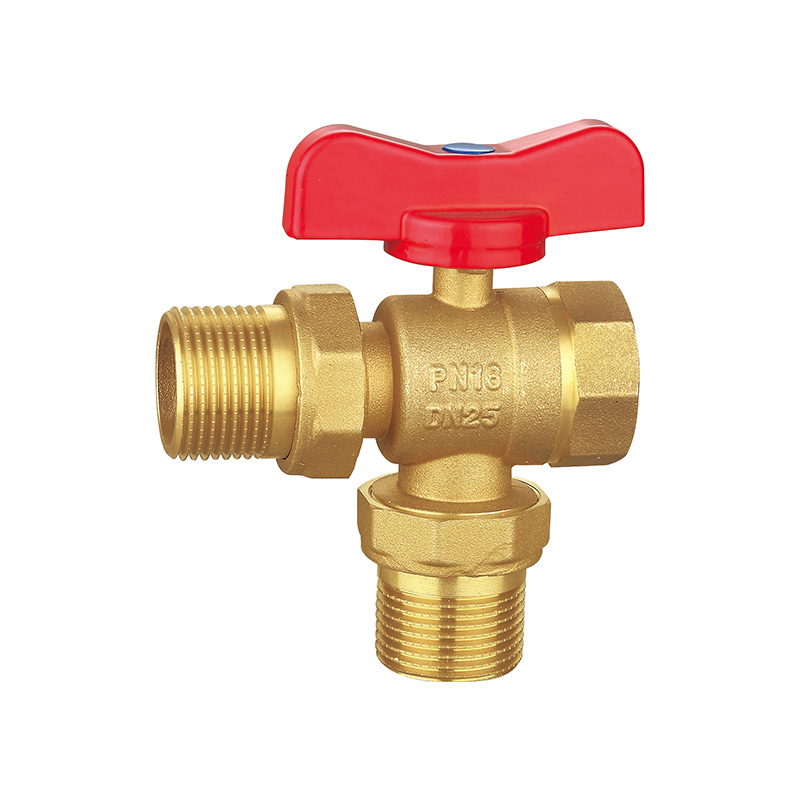
For manifolds, which act as the central hub controlling water flow to different heating zones, brass or stainless steel is often chosen for its corrosion resistance and mechanical strength. The production starts with casting or forging the main body blocks and valve components. In casting, molten metal is poured into a mold to create a rough shape, which is then precision-machined on CNC (Computer Numerical Control) lathes and milling machines. This machining process creates the threaded ports, internal channels, and smooth surfaces necessary for leak-free operation. The growth in Underfloor Heating Accessories Sales has encouraged manufacturers to adopt automated machining for consistent quality. Similarly, thermostats begin their life on circuit boards. Automated assembly lines, often using surface-mount technology (SMT), place microchips, resistors, and sensors onto printed circuit boards (PCBs) with high speed and accuracy. The plastic housings for these thermostats are typically created through injection molding, where thermoplastic pellets are heated and injected under high pressure into detailed molds. The reliability of these electronic components is a key focus for manufacturers supplying the Underfloor Heating Accessories Sales market.
Forming, Assembly, and System Integration
Once the individual parts are fabricated, they move to the assembly phase, where they are transformed into the finished products familiar to installers and consumers through Underfloor Heating Accessories Sales channels.
Manifold assembly is a meticulous process. Machined bodies, valves, flow meters, and air vents are assembled, often by hand, on production lines. O-rings and gaskets are fitted to ensure all connections are sealed. The completed assemblies are then pressure-tested with water or air to verify there are no leaks before they are packaged. This rigorous testing is crucial for maintaining the reputation of brands in Underfloor Heating Accessories Sales. For ancillary items like insulation boards, the manufacturing process is continuous. Polystyrene or polyurethane beads are expanded and then fused together in a large block within a steam-filled mold. This block is then cut to specific thicknesses and sizes by large, automated hot-wire cutting machines. The aluminum heat dispersion plates, often included in systems sold through Underfloor Heating Accessories Sales, are stamped from rolls of aluminum sheet using a mechanical press and custom dies, creating the channels that hold the PEX pipes securely in place. The efficiency of this forming process helps keep these essential components accessible in the competitive Underfloor Heating Accessories Sales sector.
Quality Assurance, Packaging, and Market Distribution
The final stage of manufacturing is dedicated to validation and preparation for distribution. This phase ensures that products meet performance standards and are ready for the logistics chain that supports global Underfloor Heating Accessories Sales.
Quality control is integrated throughout manufacturing, but final inspection is a critical step. For manifolds, this involves a second pressure test. Thermostats undergo functional testing, where they are powered up and their programming, sensor accuracy, and relay functions are verified. A sample from each production batch of insulation boards may be tested for thermal resistance (R-value) and compressive strength to ensure they meet building regulations. The data from these tests supports the technical claims made in Underfloor Heating Accessories Sales catalogs. Once approved, products are prepared for shipping. Manifolds are often wrapped in protective plastic and packed in sturdy cardboard boxes with foam inserts. Thermostats are sealed in retail packaging that includes clear instructions, a necessity for products distributed through diverse Underfloor Heating Accessories Sales outlets. Insulation boards are typically shrink-wrapped onto pallets for stability during transport to warehouses and distributors. The entire packaging process is designed to protect the products until they reach the installer, a vital link in the Underfloor Heating Accessories Sales network that connects factory production to a warm and comfortable floor.
Conact Us Anytime.
-
Email us
kyoda@kyodavalve.com
-
Call us
+86-19105861791